DCHS Insights CX Human-Centered Design @ DCHS PROTOTYPE no real data

Three composite personas, one shared test

Janice Brown, Aboul & Hossina, and Marisol Reyes represent three very different encounters with DCHS. Their journeys make the costs of fragmentation concrete and give us a consistent way to test whether a proposed change would matter on the client side of the counter.

The planning question

What would have to be true for each of these people to experience DCHS as one system rather than a collection of programs?

What this carries forward

These are fictional, composite personas. Janice and Aboul & Hossina were developed in April 2025 with six-stage journeys. Marisol was added later to represent the everyday client the earlier work did not capture: someone solving one ordinary problem, with limited time and no reason to think she needs coordinated care.

Together, the three keep us from designing service integration only for the most complex case or only for the easiest transaction.
Use the personas to ground and stress-test the work

First refresh our shared memory of the clients behind this work. Then test the same idea across all three rather than choosing the persona who best supports it.

  1. Refresh the client lens

    Revisit these previously developed personas before discussing initiatives. They ground the work in clients' goals, burdens, and reasons for coming to DCHS—the clients are why service integration matters.

  2. Walk all three through a proposal

    Choose an initiative, screening flow, PULSE segment, research plan, or another service-integration idea. Ask where each person encounters it, whether they understand and trust it, and whether it leads to a useful next step.

  3. Compare the effect

    Look for changes in doors, retellings, forms, time, needs surfaced, and indignities—and note what remains unchanged.

  4. Mark the assumptions

    Separate what DCHS knows from what the persona makes plausible, then turn the most consequential unknown into a research question.

Meet the personas

Open each profile to compare the current and integrated journey, the system around it, the client costs, and the questions the scenario cannot answer for us.

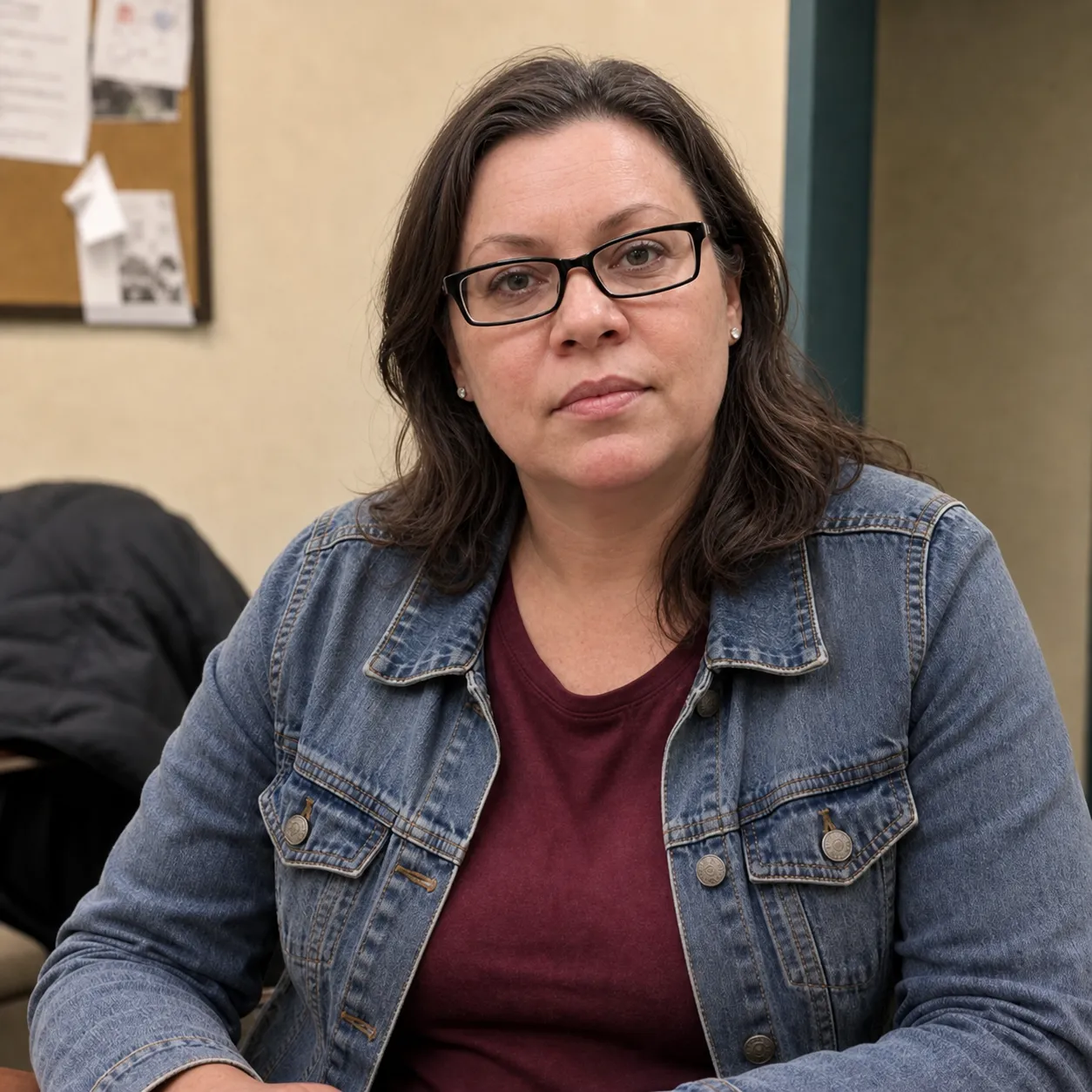
Composite portrait of Janice Brown
Composite persona. Not a real client.

Janice Brown

Left in crisis. Asked to retell the same story until the system could see the whole picture.

Integration reduces the number of doors and the number of times you must retell your worst day.

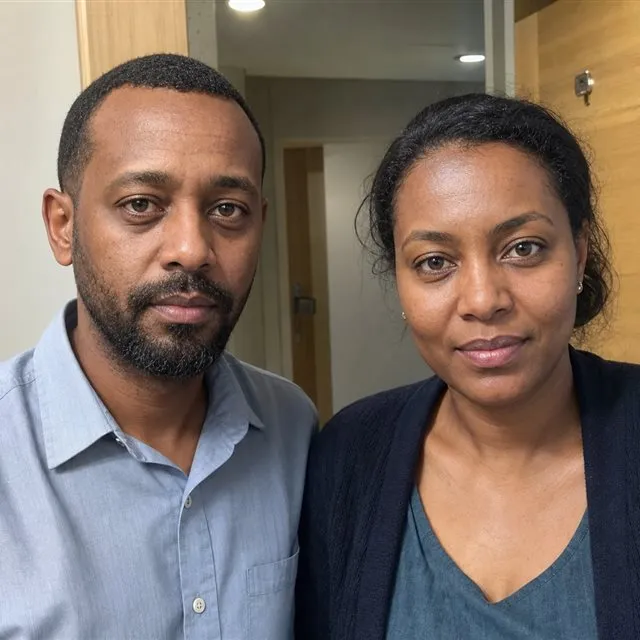
Composite portrait of Aboul & Hossina
Composite persona. Not a real client.

Aboul & Hossina

One household problem split across language, work schedules, and eligibility rules.

Integration catches people our rules and language exclude - and is honest that some exclusions it cannot fix.

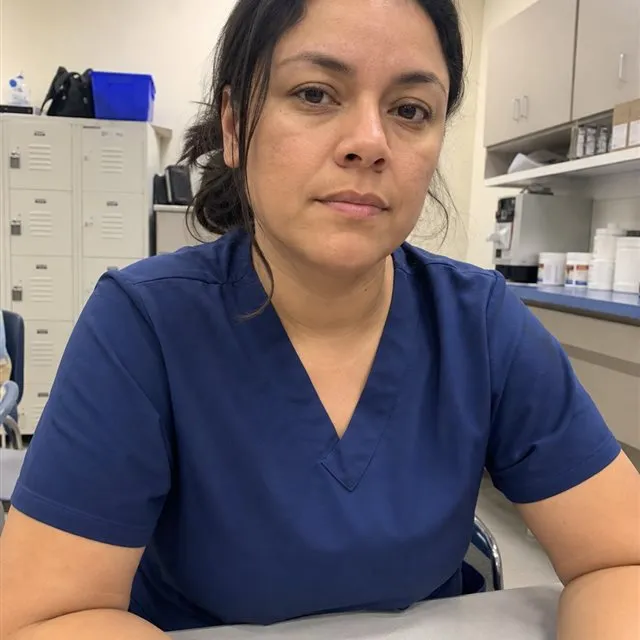
Composite portrait of Marisol Reyes
Composite persona. Not a real client.

Marisol Reyes

Works full time. Came to fix one document. Left with needs we would not have seen.

Integration does not have to cost the client time. Two questions at the right moment is the whole intervention.

Questions the personas cannot answer alone

Use these to distinguish a useful design hypothesis from a claim that needs evidence.

Which parts of these journeys reflect recurring client experience, and which were invented to complete the story?

Whose experience is still missing from the set?

Does a proposed change help all three people, or create a new burden for one of them?

What would a client actually notice, rather than an internal improvement only staff can see?

Which constraints cannot be solved through service integration and should be named honestly?

What evidence would make us revise or retire a persona?

What to carry forward

A persona test record

For any proposal reviewed here, record who benefits, where it fails, the assumption it exposes, and what should happen next.

Proposal Who benefits Where it fails Assumption exposed Evidence needed Revision or next step
 

DCHS Insights CX

This planning site is for internal use. Please enter the access password to continue.