DCHS Insights CX Human-Centered Design @ DCHS PROTOTYPE no real data

The catalog

Everything we have recorded, in one place. Narrow it by status, by pillar, or by the stage it would move us to — the filters combine, and printing always gives you the complete list.

Status
Pillar
Stage
15 of 15
Completed Stage 1 · Coordinated

Physical co-location (Mark Center)

What we are doing

A pivotal step toward service integration was DCHS's physical consolidation of essentially all department services at 4850 Mark Center Drive in 2023. Co-location lets staff provide warm handoffs to complementary services on different floors, enables clients to schedule multiple appointments in one visit, and helps teams collaborate in real time around interconnected needs.

How it helps
Janice Brown She can complete multiple appointments in one trip and receive a warm handoff to another floor instead of being sent elsewhere or told to start over.
Who TBA
Underway Stage 1 · Coordinated

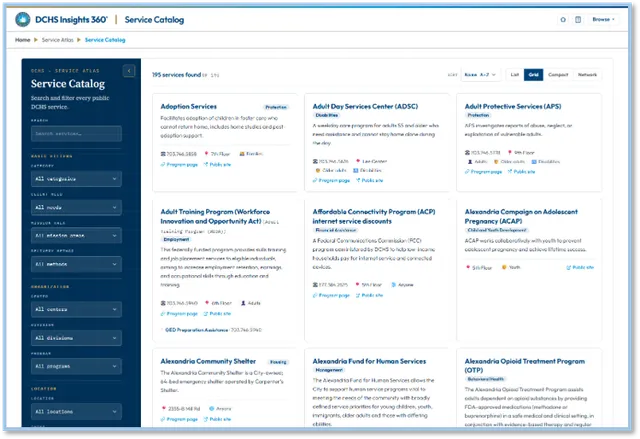
DCHS Service Atlas

What we are doing

A catalog of what the department actually offers. It helps staff find the right resource quickly, and it reveals where services overlap and where they run out. For clients it makes plain what exists and how to connect to what they qualify for. This is a foundational asset: the referral system, wayfinder kiosks, screening tools, online resources, call-taker scripts and an AI assistant all draw on the same catalog.

How it helps
Aboul & Hossina The counter can name a service and how to reach it, instead of sending them to another floor to ask.
Who TBA
Underway Stage 2 · Integrated

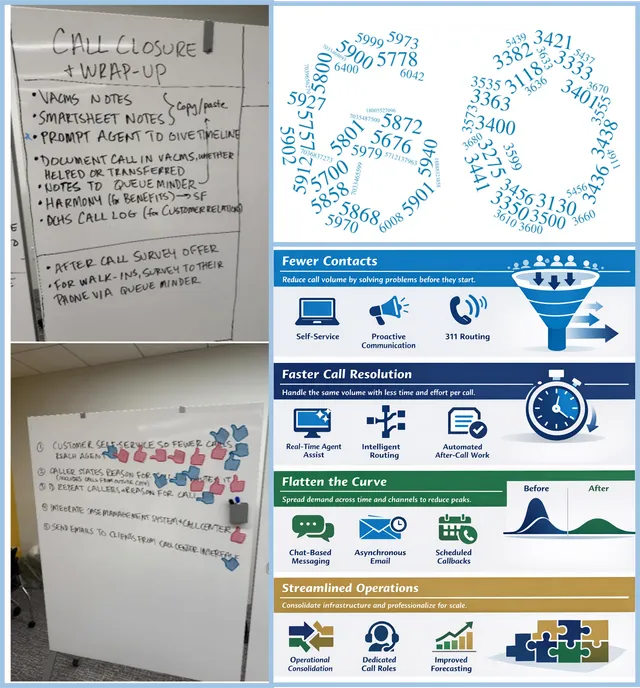
Contact center modernization

What we are doing

We consolidated physically into one building; the phones did not follow. Intake by phone remains fragmented and often bottlenecked — DCHS advertises at least 60 numbers on its website, and few of them perform to the standard we want for clients. Collaborative work in FY26 traced a call from first contact through to resolution, surfacing what breaks for callers and for agents and identifying the pathways worth piloting and implementing in FY27.

How it helps
Janice Brown One number that answers, rather than a list to work through at the worst possible moment.
Who TBA
Completed Stage 1 · Coordinated

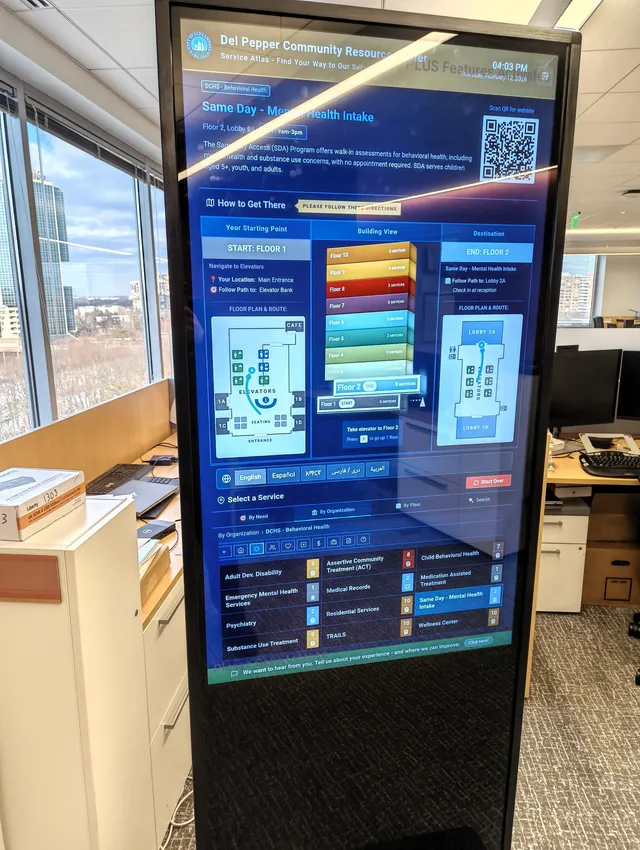
Wayfinder kiosks

What we are doing

Self-service kiosks in the building that help someone work out where they need to be and what is available to them, without having to ask a person first. Draft description — the real scope, locations and current state need your text.

How it helps
Marisol Reyes She can orient herself on arrival rather than joining a queue to find out she is in the wrong one.
Who TBA
Planned Stage 1 · Coordinated

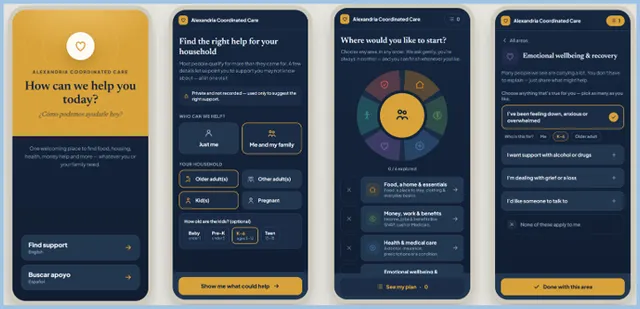
Screening for (other) needs

What we are doing

Once a streamlined referral system and service catalog are in place, we can proactively and holistically screen clients for services they may benefit from beyond the one that brought them through the door. Technology lets us do that in an interactive, targeted, self-service way — for instance while a client is waiting in line, rather than in another appointment.

How it helps
Marisol Reyes The fifty minutes she is already spending in the building become the moment we find out what else is going on.
Who TBA
Underway Stage 2 · Integrated

HCS Modern Case Management System Implementation

What we are doing

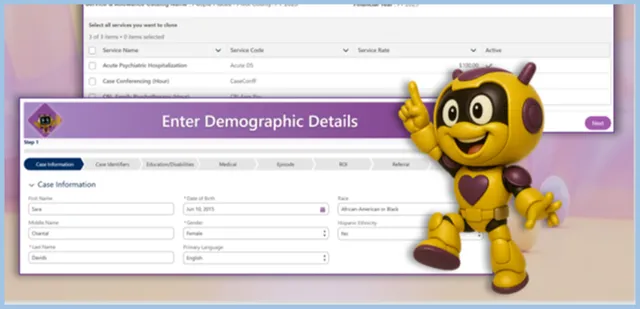
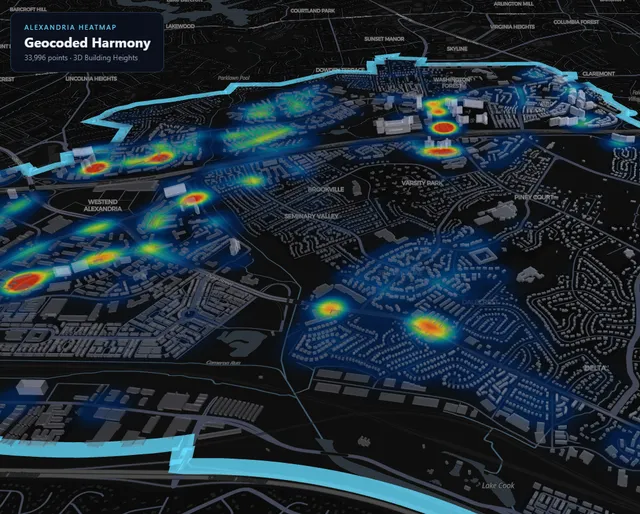
DCHS is retiring its legacy case management system, Harmony, and replacing it with HCS, a modern platform built on Salesforce. A department-wide case management system can give staff a more consistent view of client information, support coordination across programs, reduce repeated data entry and client retelling, and create a stronger foundation for referrals, follow-through, and shared accountability.

How it helps
Janice Brown Her information and service history can move with her across programs, reducing retelling and helping staff coordinate the next step.
Who TBA
Underway Stage 1 · Coordinated

PULSE — the weekly report

What we are doing

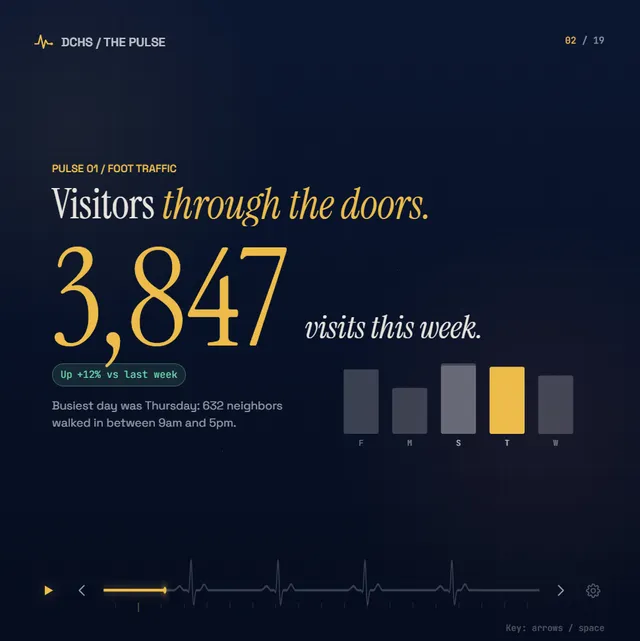
A weekly look back at the previous week, delivered Monday morning to more than 650 staff, in the style of an end-of-year app recap. It carries Resources in Action forward through a rotating program spotlight: one program a week explained in plain language, with the signs to look for and how to refer. The data pipelines that would feed it are running; what is not settled is what goes in it.

How it helps
Janice Brown The front desk knows what the program down the corridor does before she asks — not after.
Who TBA
Planned Stage 2 · Integrated

AI-Assisted Service Atlas

What we are doing

Developed in partnership with Virginia Tech, the Service Atlas is an AI-assisted navigation tool that creates a single intelligent entry point into DCHS's portfolio of 200+ programs. It combines a structured knowledge base with AI-powered screening and matching to generate personalized service pathways. With appropriate training, it would roll out first to DCHS staff, then trusted community intermediaries, and ultimately residents—expanding access while managing risk through iterative testing and rigorous quality standards.

How it helps
Aboul & Hossina Staff can translate their circumstances into a personalized pathway across programs without requiring them to know DCHS's structure or search for every service themselves.
Who TBA
Underway Stage 2 · Integrated

Admin Services Integration

What we are doing

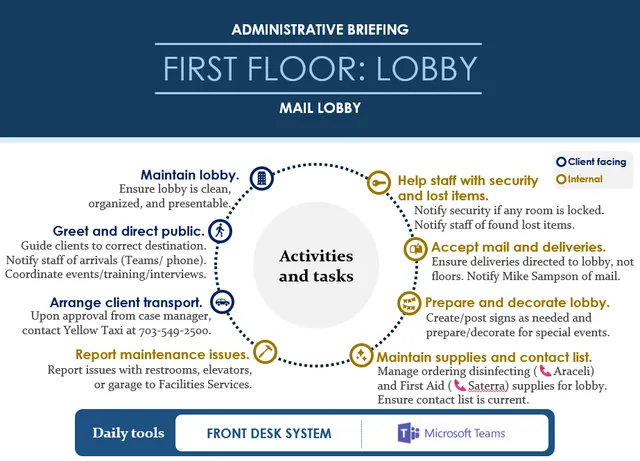
The Administrative Services Integration initiative enhances DCHS client service delivery through streamlined tools, trained staff, and efficient workflows. Its aim is to connect residents to the right services immediately while promoting consistent service delivery and advancing a one-stop-shop, no-wrong-door approach to service navigation.

How it helps
Marisol Reyes Consistent workflows and better-equipped staff make it more likely she reaches the right service at first contact instead of being redirected.
Who TBA
Underway Stage 1 · Coordinated

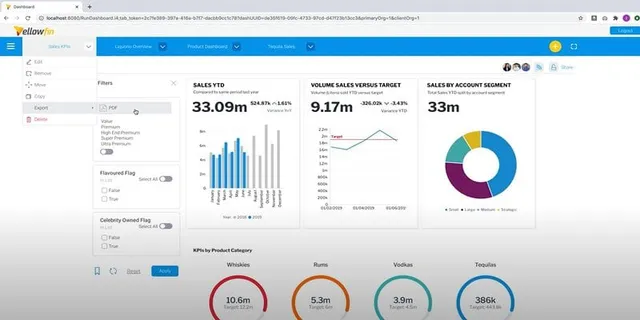
Insights 360 Dashboards

What we are doing

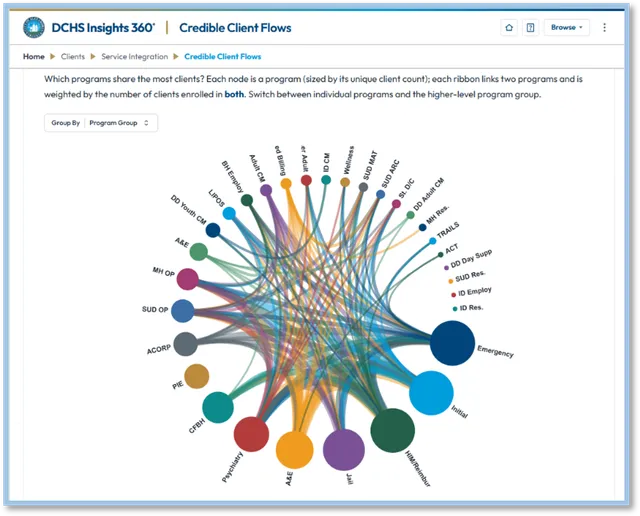
By linking our data and presenting it clearly, we can put concrete numbers behind our service integration efforts. That shared baseline is what lets us identify the programs worth learning from, pinpoint where systemic gaps remain, and see the biggest opportunities. A single source of truth does more than create accountability — it is the practical foundation teams need to build a more connected system together.

How it helps
Janice Brown Not directly. This is how we find out whether any of the rest of it actually changed her morning.
Who TBA
Underway Stage 1 · Coordinated

Credible Dashboard

What we are doing

A behavioral health dashboard designed for regular use in clinical and operational work. Its Metrics tab provides a quick snapshot of performance, while its Operations tab offers more detailed day-to-day reports. Access is tailored by role: clinicians see their own data, supervisors and managers see the teams they oversee, and center directors see all teams in their center.

How it helps
Janice Brown Better visibility into behavioral health performance and operations helps clinicians and supervisors identify service gaps sooner and provide more consistent care.
Who TBA
Underway Stage 1 · Coordinated

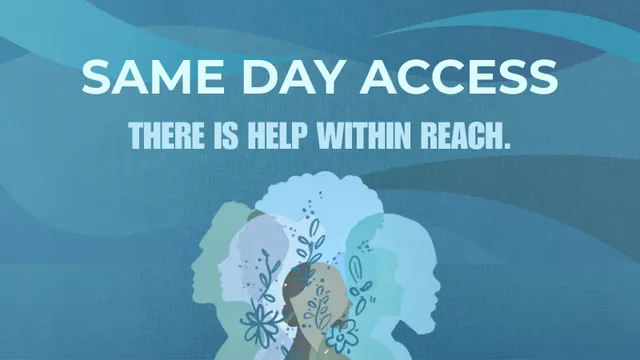
Same Day Access Integration

What we are doing

Streamlines same-day access intake by combining and standardizing the workflows for adults and children. It is the first service-integration project to span two centers: Community and Adult Services (CAS) and the Center for Children and Families (CCF).

How it helps
Janice Brown A consistent intake process reduces duplicate steps and makes it easier to coordinate timely support when a family's needs cross adult and children's services.
Who TBA
Underway Stage 1 · Coordinated

Community Analytics Dashboard

What we are doing

The Community Analytics initiative systematizes the use of community data for community needs assessments and scales up the collection of real-time customer feedback. This work will strengthen shared knowledge about clients across the department and improve DCHS's ability to implement collective accountability for service integration. The project will initially focus on economic mobility, aging, and social vulnerability.

How it helps
Janice Brown Community-level evidence and real-time feedback make needs like hers more visible across programs and give DCHS a shared way to judge whether integrated services are improving outcomes.
Who TBA
Planned Stage 1 · Coordinated

HCS-powered department-wide referral system

What we are doing

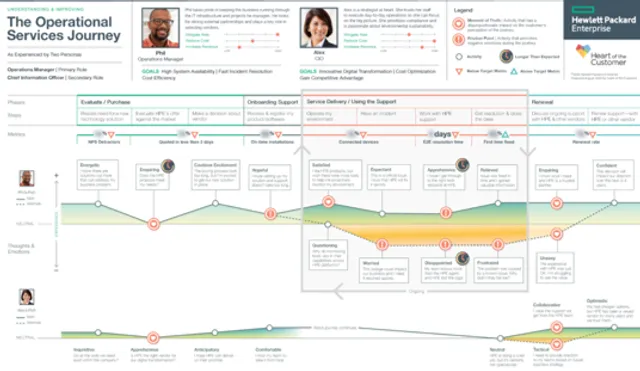
Today, staff looking to connect clients to other programs often rely on personal heroics and informal networks. HCS makes it possible to offer a proper referral system: one that systematizes and streamlines cross-department referrals, carries information forward so clients stop having to retell their story, and produces the data to hold receiving programs accountable.

How it helps
Janice Brown Nine retellings across seven doors becomes one story, passed forward on her behalf.
Who TBA
Underway Stage 1 · Coordinated

DCHS Key Indicators (revision)

What we are doing

DCHS annually publishes Key Indicators to communicate department performance. The framework continues to evolve to better capture outcomes and tell the story of impact. Looking ahead, DCHS seeks to standardize quality expectations and add department-wide measures of client interactions, wait times, client satisfaction, and other shared priorities.

How it helps
Janice Brown Shared measures of wait times, client experience, and outcomes make it possible to see whether integration is improving what clients actually experience and where standards are falling short.
Who TBA

Nothing matches those filters.

DCHS Insights CX

This planning site is for internal use. Please enter the access password to continue.