Voice
In their words
We were denied based on our old income, but we're earning less now.
Hossina can go at 2. Aboul has the English and is at work.
We need someone to see the household, not half of it.
Engagement path Eviction notice, rental assistance
Language barriers, work schedules, and eligibility rules complicate one household's effort to resolve its housing crisis.
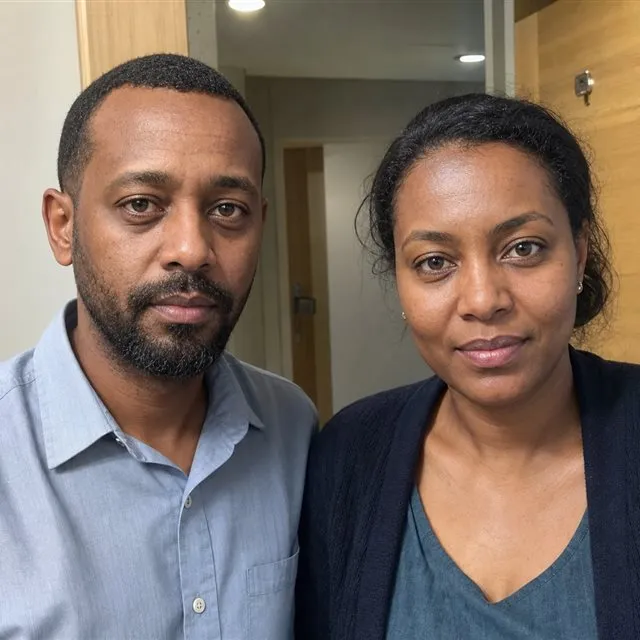
Aboul and Hossina are a two-parent immigrant family in their mid-thirties with three children, including a newborn at the time of the April 2025 workshop. They live in a two-bedroom apartment and, at times, their car. Aboul drives and picks up gig work; a loss of gig income contributes to a second eviction notice and $3,400 in arrears. Hossina cares for the baby. Rental assistance leaves a gap, while prior income and work history complicate access to other help. They have contacted WDC and other programs for employment and benefits support and monitor rent payments, but guidance remains limited. Hossina has more daytime availability and needs Amharic interpretation; Aboul has more English but is at work. Childcare, transport barriers, and behavioral-health stigma limit which services they can use. Their family and immigrant support network helps them persist. They want steady work, a thriving family, education for their children, and ESL opportunities for Hossina.
Aboul and Hossina are presented as one household because their situation is a household situation. Splitting them would hide the problem.
We were denied based on our old income, but we're earning less now.
Hossina can go at 2. Aboul has the English and is at work.
We need someone to see the household, not half of it.
This planning site is for internal use. Please enter the access password to continue.
Incorrect password. Please try again.